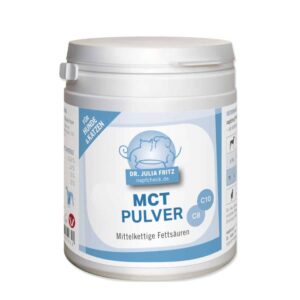
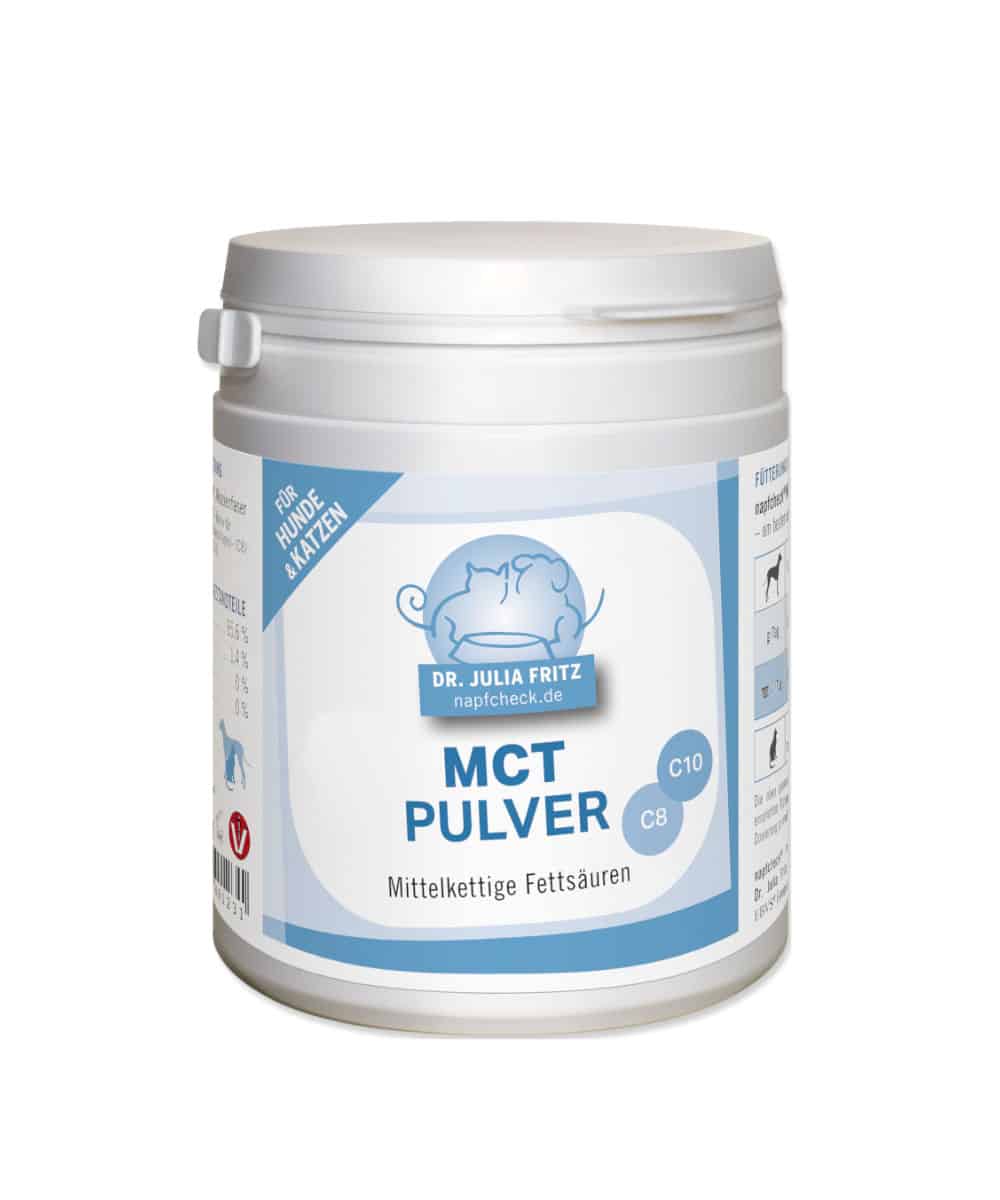

napfcheck MCT-POWDER is the first MCT powder especially for dogs and cats. The medium-chain fatty acids C8 and C10 it contains serve as a ketogenic energy source for the brain, among other things, and are particularly recommended and proven for epileptics and the elderly (Berk et al. 2019, 2020; Law et al. 2015; Pan et al. 2010, 2011, 2018). We recommend the use in epileptics after consultation with the vet.
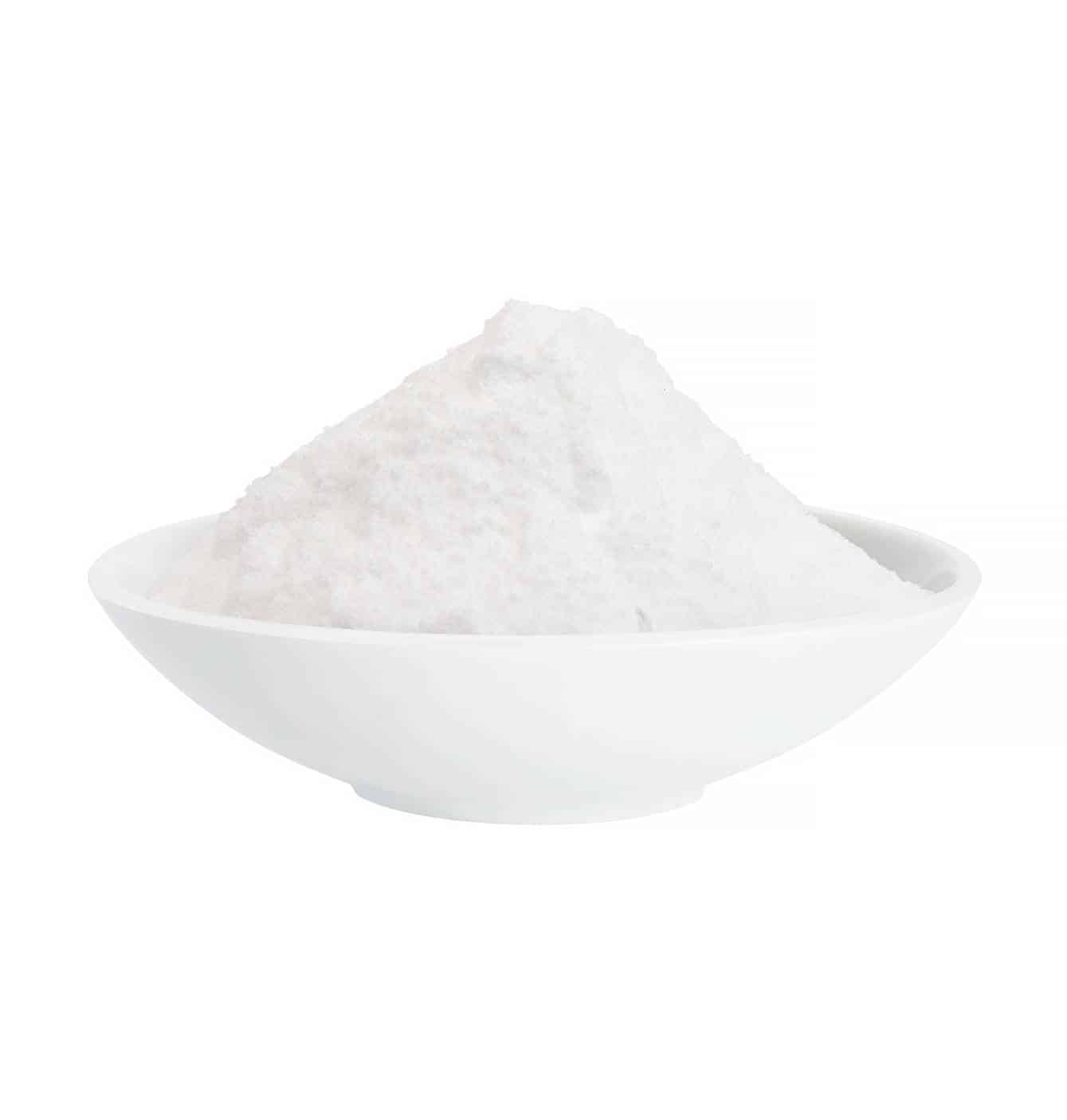
Our MCT powder is the perfect alternative to our tried and tested MCT oil for all dogs and cats who prefer a powder to a liquid oil. The ratio of fatty acids it contains is comparable to the MCT oil, so it can be used in the same way. It is also virtually odorless and tasteless and is therefore very easy to mix into food.
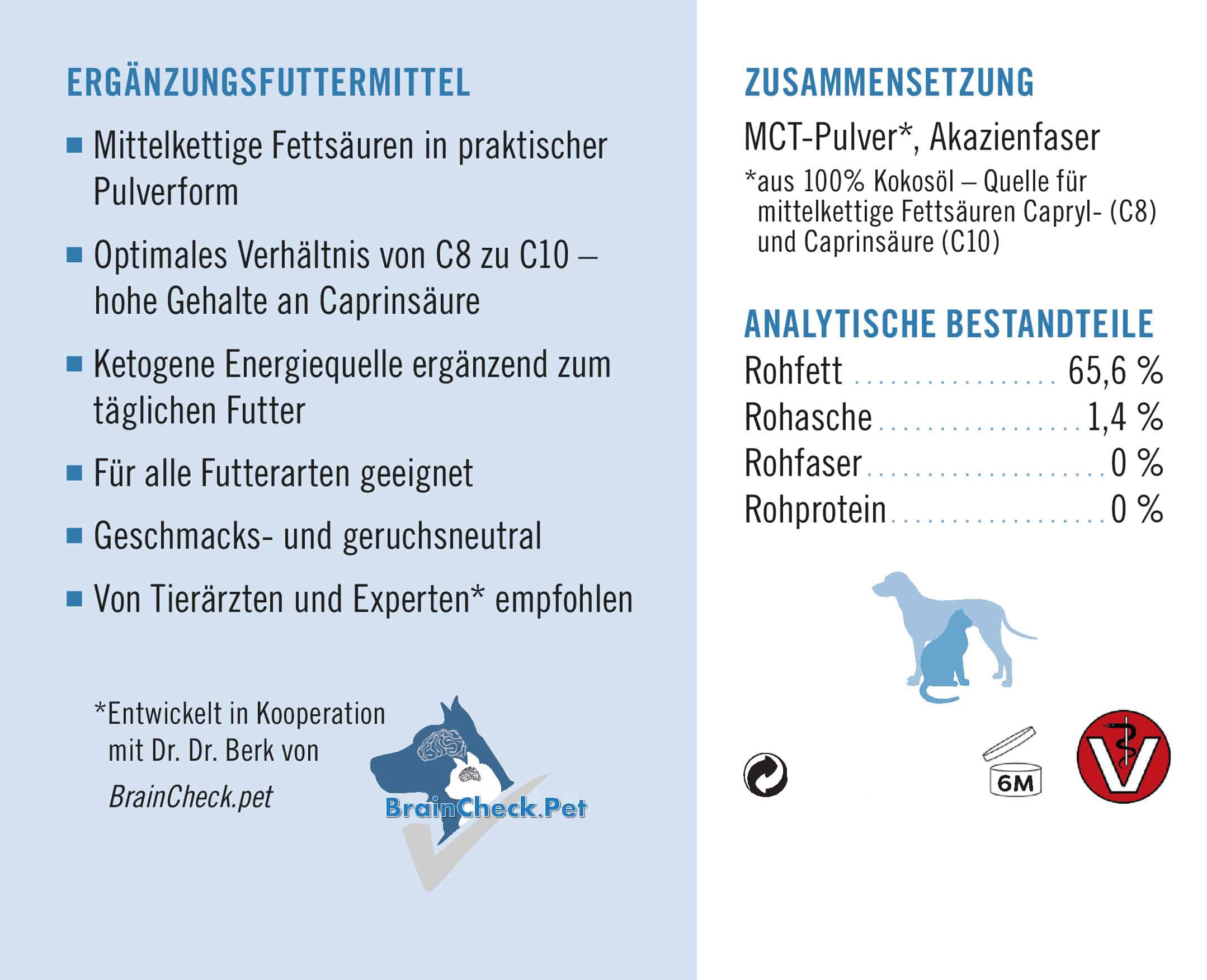
Supplementary feed for dogs and cats
- Medium-chain fatty acids in practical powder form
- Optimal ratio of C8 to C10 - high capric acid content
- Ketogenic energy source as a supplement to the daily diet
- Suitable for all types of food
- Neutral taste and odor
- Good tolerance and acceptance
- Recommended by vets and experts*
*developed in cooperation with Dr. Dr. Berk from BrainCheck.pet
Available in 300 g and 1000 g sizes, including measuring spoon.
Composition: MCT powder (from 100% coconut oil)*, acacia fiber
*Source for medium-chain fatty acids caprylic (C8) and capric acid (C10)
Analytical constituents:
- Crude oils and fats: 65.6%
- Crude ash: 1.4%
- Crude protein: 0%
- Crude fiber: 0%
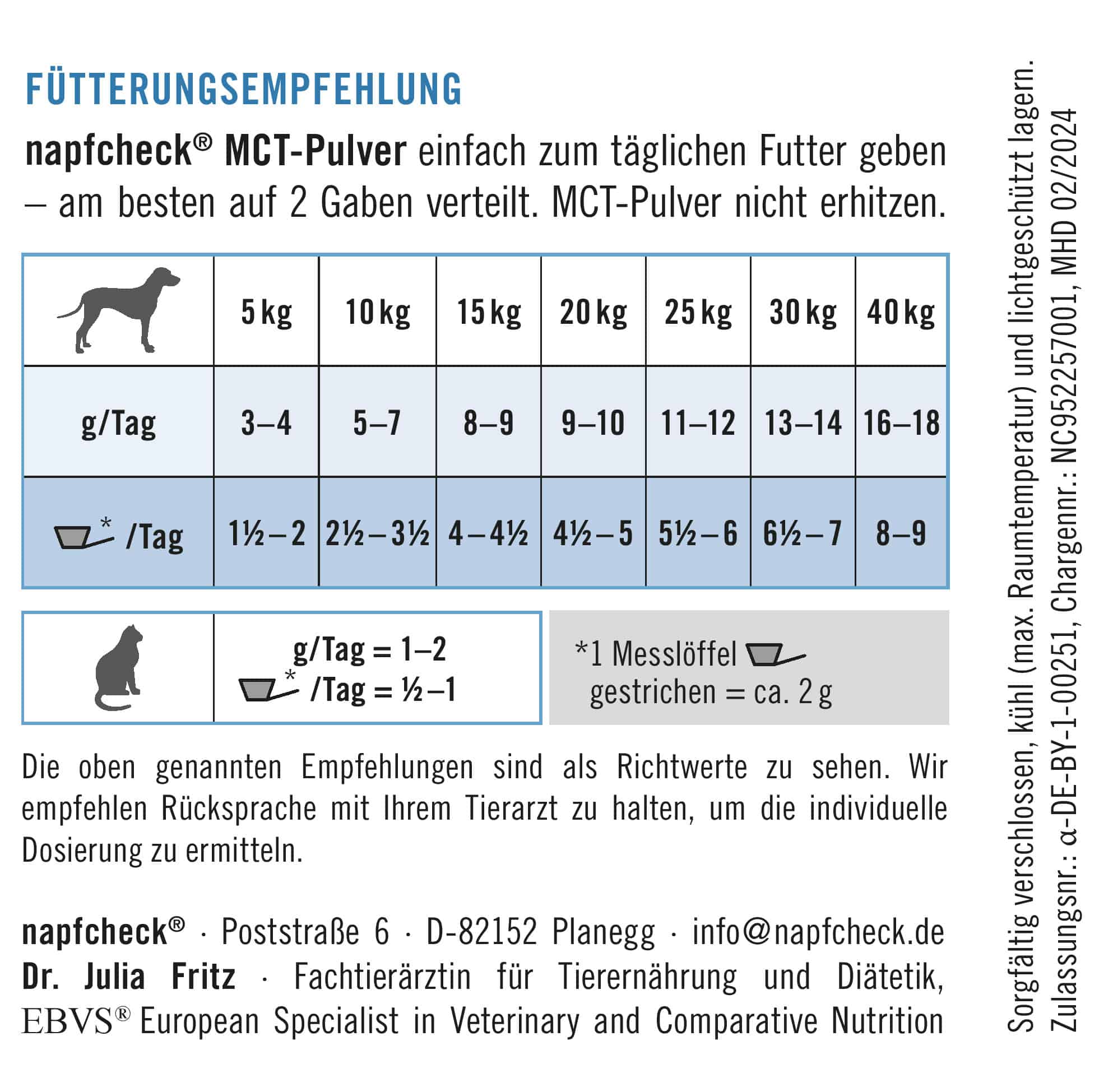
Feeding recommendation for dogs and cats: simply add napfcheck MCT powder to the daily food - preferably divided into 2 doses. If possible, the MCT powder should not be heated.
1 measuring spoon (ML), spread = approx. 2
| Dogs (kg) | g/day | ML*/day |
| 5 | 3 - 4 | 1,5 - 2 |
| 10 | 5 - 7 | 2,5 - 3,5 |
| 15 | 8 - 9 | 4 - 4,5 |
| 20 | 9 - 10 | 4,5 - 5 |
| 25 | 11 - 12 | 5,5 - 6 |
| 30 | 13 - 14 | 6,5 - 7 |
| 40 | 16 - 18 | 8 - 9 |
| 50 | 18 - 21 | 9 - 10,5 |
Cats: 1 - 2 g/day (corresponding to approx. 1 measuring spoon)
The recommendations should be seen as guidelines. We recommend consulting your vet to determine the individual dosage.
For sensitive animals, the amount can be slowly increased by 1 g every 3 days until the desired daily dose is reached.